Rabu, 3 Ogos 2016


PORTFOLIO REGARDING THE CUTLERIES, CHINAWARE,GLASSWARE AND CROCKERY.
 
GLASSWARE
 
Sherry Glasses
-used for serve aromatic alcoholic beverages
 

Glass goblets
-used to hold wine

Champagne glasses
-used to serve champagne


White wine glasses
-used to serve white wine
 
  Red wine glasses
-used to serve red wine


   Coffee glass
 -used to serve coffee


Mug glasses
-used to serve hot water
 
 
Cocktail glasses
-used to serve cocktails
 
 
Highball glasses
-used to put plain water


CROCKERY
 
 
Saucer
-used to place cup 


Sugar bow
-used to hold sugar
 
  Plate
-used to hold food

Small plate
-used to put small amount of food
Dinner plate
-used to put main dishes


Soup plate
 -used to put thick soup

Soup bow
-used to put light soup


Mugs
-used to hold hot water


Coffee cup
-used to put coffee or tea


CHINAWARE

Chopstick
-used to eat certain food such 
as rice and noodles

Chinese tea cup
-used to hold hot tea


Tea Pot
-used for steeping tea leaves


Rice bowl
-used to hold rice
 

Soup Bowl
-used to hold hot soup

Clay pot
-used to cook and serve dishes


 Vinegar pot
-used to hold vinegar


CUTLERIES 
 

Dinner knife
-used in eating main course of meal


Fish knife
-used for eating or serving fish

Butter knife
-used to spread the butter


Appetizer knife
-used for eating appetizer meal.
Dinner spoon
-used for eating main course of meal


Appetizer spoon
-used for eating appetizer meal


Soup spoon
-used for eating soup

Dessert spoon
-used in eating dessert


Teaspoon
-used to stir coffee or tea

Dinner fork
-used for eating main course of meal

Fish fork
-used to eat fish

Appetizer fork
-used for eating appetizer meal
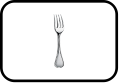


Dessert fork
-used in eating dessert


JOB SPECIFICATION FOR THE PERSONAL IN HOTEL (FOOD AND BEVERAGE).
-The hospitality industry offers employment to people of differing personalities, backgrounds and skills through a wide diversity of the types of outles serving food and beverages.


WAITER


A good waiter or waitress is attentive and responsive.  If you can do that and anticipate the guest’s needs, you are on the right track.  Think of it this way.
An excellent server has already refilled the drink before the guest even notices it needed refilling.
 

Waitress or Waiter Job Description – Responsibilities:

· Great guests and make them feel comfortable.
· Learn menu items and be able to describe them appropriately to guests.
· Take beverage and food orders.
· Deliver beverages and food in a timely manner.
· Check-in with guests to ensure that everything is going well.
· Clear dirty dishes from table.
· Refill beverages throughout the meal.
· Deliver guest’s bill and thank them for dining at the restaurant.
· Work with other servers and be a team player.
 
RUNNER
The food runner is typically the person who gets the food from the kitchen to the customer as quickly as possible. In some places, that means actually "running" the food from the kitchen to the table. In other places, it means simply letting the server know it's time to come pick up some plates. While it might seem simple, it's an important job that ensures a smooth and efficient operation. When the food runner delivers the food, she may also check whether the customer has everything he needs and deliver any additional items the customer needs.
 
HOSTESS

The restaurant hostess is the first employee to interact with arriving guests as they enter the restaurant. It is the job of the hostess to greet arriving guests, welcome them into the establishment and seat them. The guests receive their first impression of the service of the restaurant by their exchange with the hostess.
Function.
As guests arrive, the hostess assesses the dining room and, if an accommodating table is available, escorts the guests to the dining room. In some restaurants, hostesses are also responsible for taking initial drink orders. Depending on individual restaurant policy, hostesses either fill the drink order or give the information to the responsible food server. Upon returning to the station, hostesses also make any necessary changes to the dining room occupancy chart.
 
 
STEWARD

 
In the kitchen, a steward keeps equipment clean, sanitary and in good repair. During a single shift, the steward may be responsible for cleaning dishes, utensils and the cooking equipment. Counters and work areas need attention as food preparation continues through the shift, and wait stations and buffet tables in the dining room require frequent restocking. A steward may also be responsible for the turns as old customers leave and new ones arrive; the steward replaces tablecloths and returns the tables to their original settings for new guests.
 
BARTENDER
Bartenders fill drink orders either directly from customers at the bar or through waiters and waitresses who place drink orders for dining room customers. Bartenders must know a wide range of drink recipes and be able to mix drinks correctly and quickly. When measuring and pouring beverages they must avoid spillage or over pouring. They also must work well with waiters and waitresses and other kitchen staff to ensure that customers receive prompt service.

Responsibilities

· Prepare alcohol or non-alcohol beverages
· Interact with customers, take orders and serve snacks and drinks
· Assess customers’ needs and preferences and make recommendations
· Mix ingredients to prepare cocktails
· Plan and present bar menu
· Check customers’ identification and confirm it meets legal drinking age
· Restock and replenish bar inventory and supplies
· Stay guest focused and nurture an excellent guest experience
· Comply with all food and beverage regulations
 
SOMMELIER
Also known as a wine waiter, sommeliers posses in-depth knowledge and have a great understanding of wine, of which their mastery can be put to good use in a variety of settings. Originally, sommeliers worked in hotels and restaurant wine cellars where they would consult with chefs to decide the best pairing of wines and dishes.
Most commonly described as a restaurant professional working with wines, the term sommelier is also used by extension for sake, water or tea. In this article we will focus on wine, but the information can also be applied to all other types of drinks.